
Living near the coast comes with unique landscaping quirks—sandy soil, salty air, and strong winds. But with the right plants, you can create a stunning, low-maintenance landscape that thrives in coastal conditions. Here are 8 of the most common plants for Wilmington and other coastal areas:
1. Sea Oats (Uniola paniculata)
A staple of coastal dunes, sea oats help prevent erosion with their deep root systems. These tall, golden grasses add a natural, beachy look while protecting against wind and water damage.

2. Sweetgrass (Muhlenbergia capillaris)
Known for its gorgeous pink-purple plumes in the fall, sweetgrass is both drought-tolerant and salt-resistant, making it perfect for coastal landscapes.

3. Wax Myrtle (Morella cerifera)
This evergreen shrub is an excellent natural privacy screen and windbreak. It’s highly salt-tolerant and produces small berries that attract birds.

4. Yucca (Yucca aloifolia)
Often called Spanish bayonet, this striking plant has spiky leaves and thrives in sandy soil. It’s low-maintenance, drought-resistant, and adds a bold, architectural element to your yard.

5. Live Oak (Quercus virginiana)
A classic tree of the Southeast, live oaks are incredibly resilient, offering shade and storm resistance. Their sprawling branches create a beautiful canopy that enhances any landscape.

6. Palmetto (Sabal palmetto)
The iconic palmetto tree is highly wind- and salt-resistant, making it ideal for coastal environments. It’s also the state tree of South Carolina!

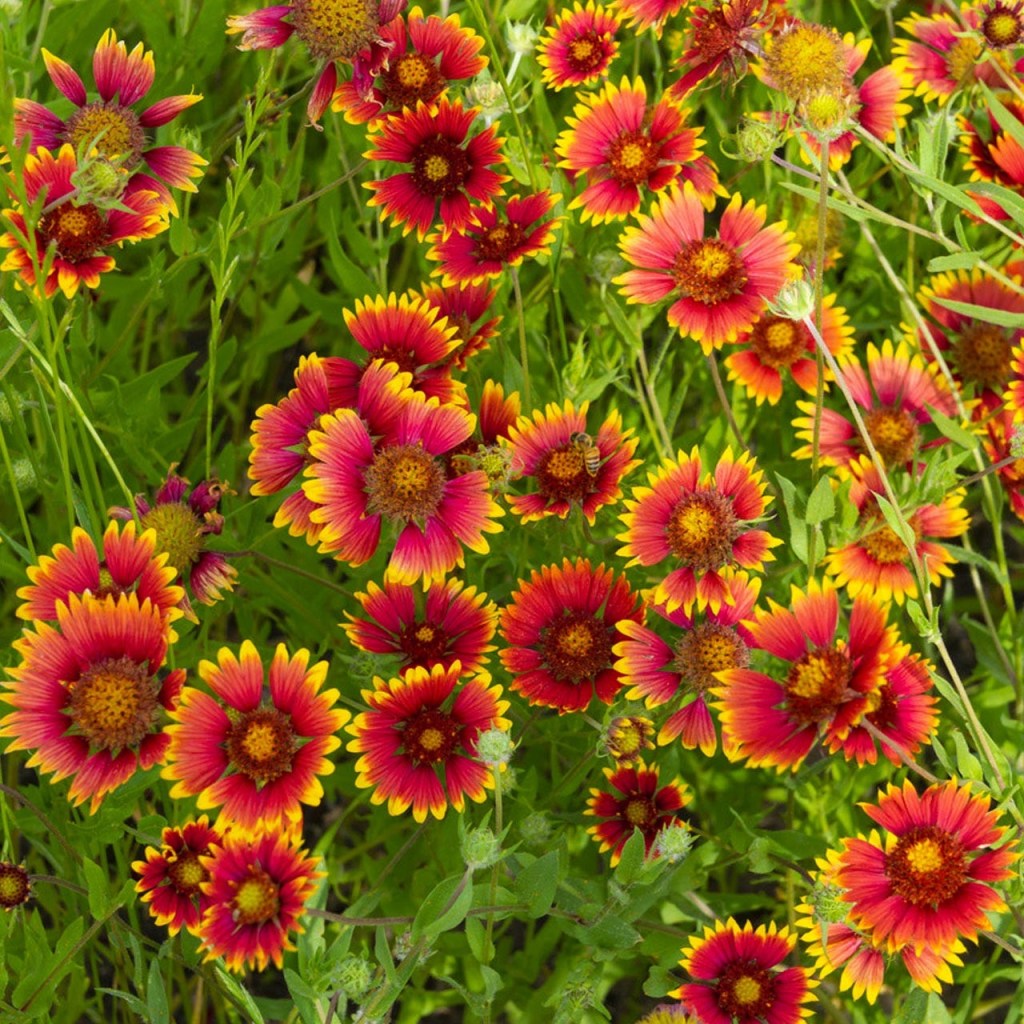
7. Blanket Flower (Gaillardia pulchella)
This hardy, colorful wildflower blooms all summer, attracting pollinators while thriving in poor, sandy soil.
8. Saltmeadow Cordgrass (Spartina patens)
Perfect for marshy or wet areas, this grass stabilizes shorelines and provides a lush, natural ground cover.

Tips for Coastal Landscaping Success:
✔️ Use Native Plants – They’re naturally adapted to local conditions and require less maintenance.
✔️ Incorporate Mulch – Helps retain moisture and reduce soil erosion.
✔️ Choose Salt-Tolerant Plants – Especially important for areas exposed to sea spray.
✔️ Plant Windbreaks – Shrubs and trees like wax myrtle can protect smaller plants from strong coastal winds.

 SeaFoam-Greens: Lawn & Junk / SeaFoam Co.
Leave a comment