
Trees are more than just beautiful fixtures in our landscapes—they’re living, growing structures that need proper care to thrive. One of the most overlooked aspects of tree maintenance is pruning, especially when it comes to palms. Done right, pruning enhances health, safety, and curb appeal. Done wrong, it can damage or even kill your tree.

Why Prune?
Health: Remove dead, dying, or diseased branches to prevent decay and pest infestations.
Safety: Eliminate weak limbs that could fall and cause injury or damage during storms.
Structure: Improve the shape, structure, and airflow within the canopy.
Aesthetics: Maintain a clean, balanced appearance that complements your property.
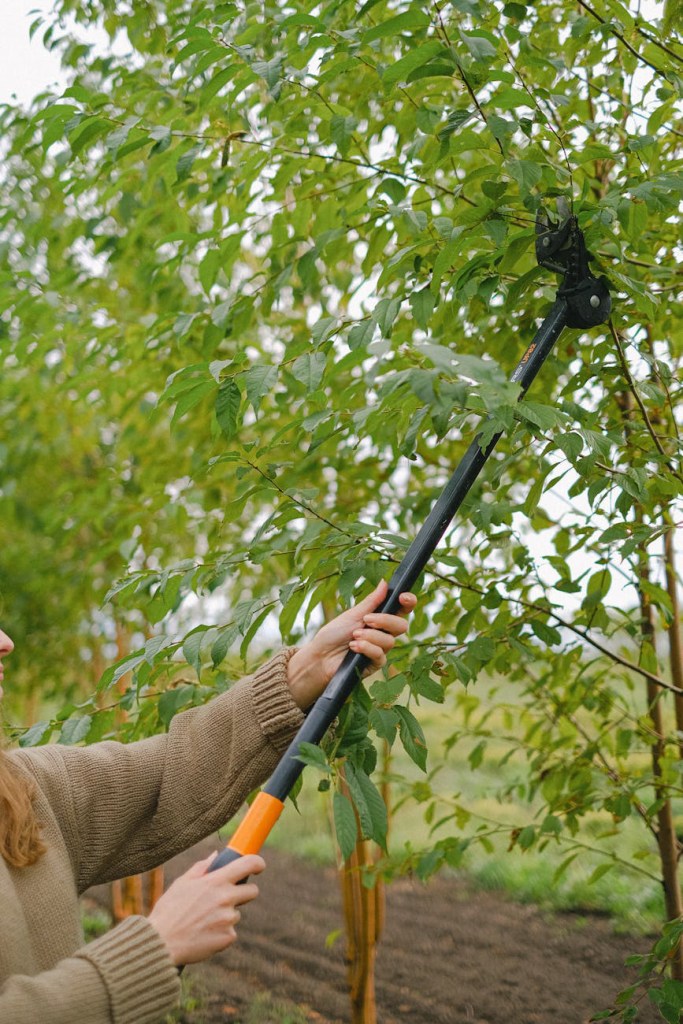
When to Prune Trees
Deciduous Trees (like maples, oaks): Late winter or early spring, before new growth starts.
Evergreen Trees: Light pruning can be done any time, but avoid heavy cuts in late summer or fall.
Avoid spring pruning during heavy sap flow in species like maple or birch.
Palm Tree Pruning Tips
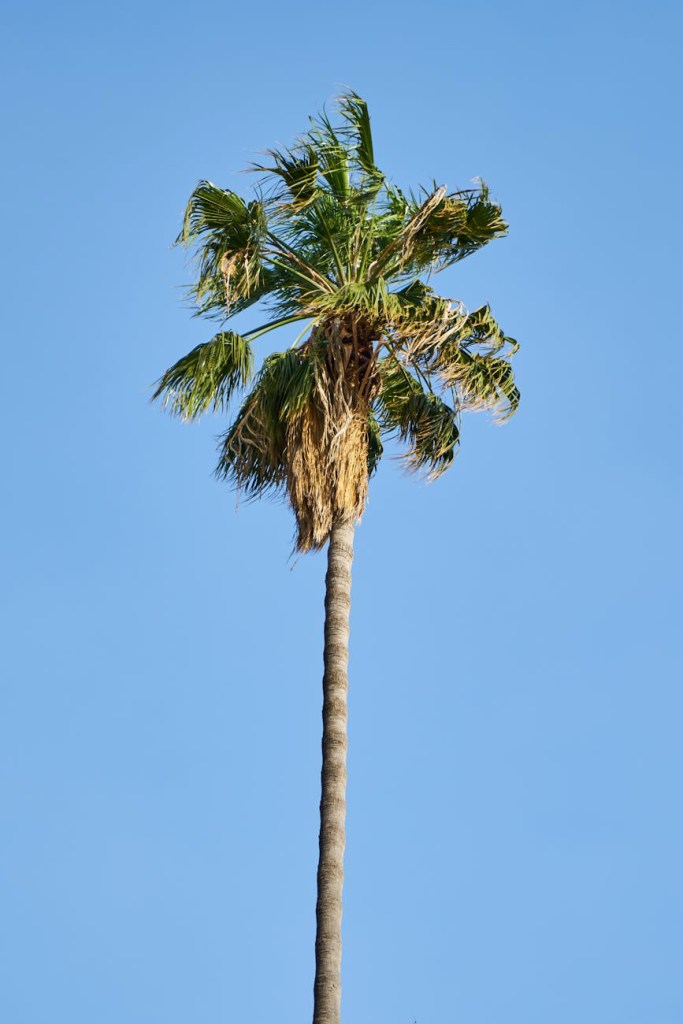
Palms are unique! They don’t need frequent pruning—once or twice a year is usually enough.
DO:
Remove brown, dead fronds and loose fruit/seed pods. Cut close to the trunk without damaging it. Use clean, sharp tools to avoid disease spread.
DON’T:
Over-prune. Never “hurricane cut” your palms (removing all but a few fronds at the top). Remove green fronds unless they pose a safety hazard—these still provide nutrients.
Signs It’s Time to Prune
You see dead or broken branches. Your palm has hanging, dried-out fronds. The canopy is too dense or touching structures. The tree looks off-balance or overgrown.

#SeaFoamGreens #WilmingtonJunkRemoval #JunkRemovalWilmington #JunkRemovalOgdenNC #JunkRemovalNearMe #GotJunk #JunkKing #LawnServiceNearMe #BestLawnCareServiceNearMe #FallCleanUp #SpringJunkRemovalDeals #HaulMyJunkAway #TrashHaulAway #WeHaulJunkNearMe #BackyardTransformation #ClutterFreeLiving #OutdoorGlowUp #HoarderJunkRemoval #EstateCleanoutServicesNearMe #GarageCleanOutServices #LandscapingWilmingtonNC #StepIntoBeauty #CarportMakeover #ShedRemoval #YardCleanUp #BeautifyYourSpace
 SeaFoam-Greens: Lawn & Junk / SeaFoam Co.
Leave a comment